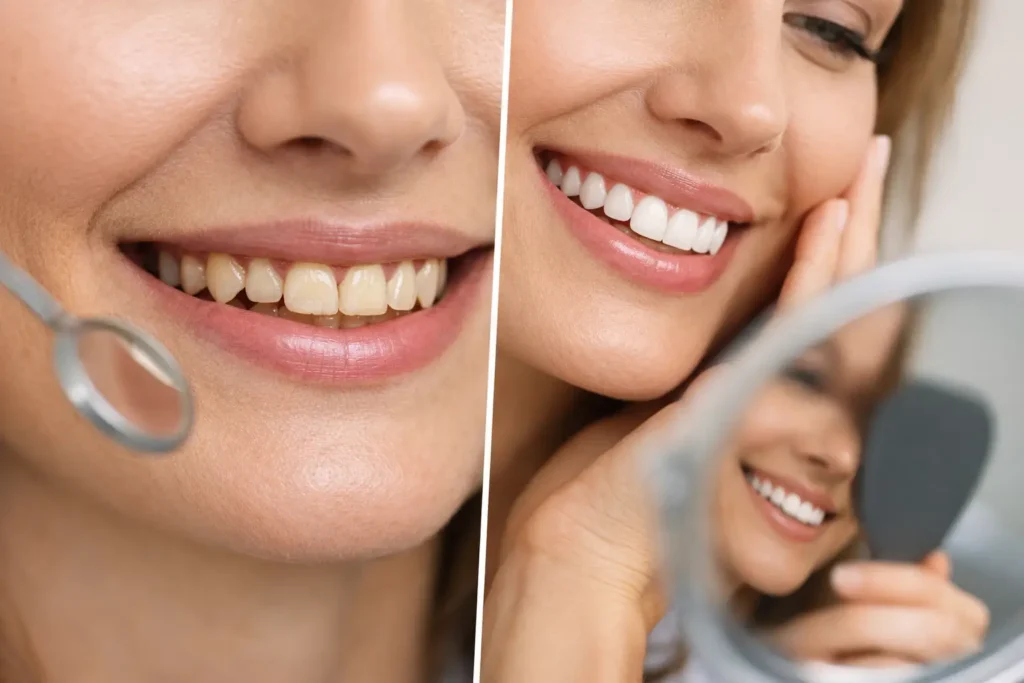
A photograph can show a brighter, straighter smile, but a true smile makeover before and after story is about more than a cosmetic change. It is about feeling comfortable laughing in family photos, speaking up in meetings, or smiling without covering your mouth. The best results do not make you look like someone else. They help your smile look healthy, balanced, and naturally yours.
For many people in Gilbert and nearby communities, the question is not simply, “Can my smile look better?” It is, “What will it take, how long will it last, and can I trust the recommendations?” Those are the right questions to ask. A thoughtful smile makeover begins with your goals, your oral health, and an honest discussion of the treatments that make sense for you.
What a Smile Makeover Before and After Can Reveal
Before-and-after images can be encouraging because they make possibilities easier to see. They may show teeth that appear more even in color, better proportioned, less worn, or more naturally aligned. In some cases, the most noticeable difference comes from closing a small gap or repairing a chipped front tooth. In others, the change involves replacing older dental work, restoring missing teeth, or rebuilding a smile affected by wear.
What a photo cannot show is just as important. It cannot tell you whether a patient first needed gum treatment, whether their bite was comfortable, how much natural tooth structure was preserved, or how closely the plan was tailored to their face and goals. Two people may have similar concerns but need very different care.
A healthy smile makeover should improve appearance without overlooking function. If teeth are cracked, shifting, sensitive, or worn down, treating the underlying issue can help protect your long-term oral health as well as your appearance.
Every Starting Point Is Different
A smile makeover is not one procedure. It is a customized combination of treatments chosen to address the concerns that matter most to you. Some patients want a modest refresh before a wedding, job change, or milestone event. Others have spent years feeling unhappy with the condition of their teeth and are ready for a more comprehensive plan.
The process starts with a detailed exam. Your dentist evaluates your teeth, gums, bite, existing restorations, and the way your smile relates to your lips and facial features. This is where honest care matters. A cosmetic concern may be safely addressed with whitening or bonding, while another situation may require orthodontic treatment, a crown, or implant restoration for a stable result.
There is no benefit in recommending more dentistry than you need. At the same time, a plan that only covers a visible problem may not be the right answer if gum disease, decay, bite pressure, or missing teeth are affecting the foundation of your smile.
Whitening for a Brighter Starting Point
Professional whitening can be a simple first step when healthy teeth have become darker from coffee, tea, red wine, tobacco, aging, or certain medications. It can create a noticeable improvement without changing the shape of your teeth.
Whitening does have limits. It does not change the color of crowns, veneers, fillings, or bonding. If you plan to replace visible older restorations, whitening natural teeth first can help your dentist match new work to your preferred shade. Sensitivity is possible, especially for patients with exposed root surfaces or existing sensitivity, but it can often be managed with a personalized approach.
Bonding for Small but Meaningful Repairs
Dental bonding uses tooth-colored composite material to refine a tooth’s shape, repair minor chips, close small gaps, or mask limited discoloration. It can be a conservative option because it usually requires little to no removal of natural enamel.
Bonding is often a good fit for focused improvements, but it is not always the longest-lasting choice for patients who grind their teeth, bite their nails, or want major changes in shape and color. Composite can stain or chip over time and may need maintenance. The right choice depends on how you use your teeth and what you want from the result.
Veneers for Shape, Color, and Symmetry
Veneers are thin custom shells placed on the front surfaces of teeth. They can address several visible concerns at once, including persistent discoloration, uneven edges, small gaps, worn enamel, and teeth that appear too narrow or irregularly shaped.
A well-designed veneer should complement your features rather than create an overly uniform look. Details such as translucency, contour, tooth length, and shade all affect whether the final smile looks natural. Veneers can be an excellent option, but they are a significant commitment. Depending on the case, enamel preparation may be needed, and veneers require the same daily hygiene and regular dental care as natural teeth.
Crowns and Restorative Dentistry for Strength
When a tooth is badly worn, fractured, heavily filled, or weakened after root canal treatment, a crown may be the more appropriate cosmetic and functional solution. Crowns cover and protect the entire tooth while restoring its shape and color.
For the right patient, same-day crown technology may reduce the need for multiple appointments and a temporary crown. Convenience is valuable, especially for busy adults and parents, but the priority remains a precise fit and a healthy bite. A crown should not be used simply to solve a cosmetic concern when a more conservative option would provide a better outcome.
Clear Aligners and Implants When Position or Missing Teeth Matter
Clear aligners can gently move teeth into better positions, helping improve crowding, spacing, and bite alignment. Sometimes moving teeth first allows for a more conservative cosmetic result because less reshaping or restorative work is needed afterward.
When a tooth is missing, a dental implant can restore the visible space and help support the surrounding bite. Implant treatment is more involved than whitening or bonding, and healing time must be considered. Still, replacing a missing tooth can make a meaningful difference in comfort, function, and confidence.
The Details That Make Results Look Natural
The most successful smile makeover before-and-after results are rarely about making every tooth identical or creating the brightest possible shade. Natural smiles have subtle variation. They fit the person wearing them.
Your dentist considers the proportions of your teeth, gumline symmetry, facial shape, lip movement, and bite. A slightly longer edge on a front tooth, a softer contour, or a shade that suits your skin tone can change the overall effect. The goal is not a copy-and-paste smile. It is a smile that looks at home on your face.
Communication matters throughout the process. Be clear about what you like and do not like in examples you have seen. Do you want a dramatic change or a quiet refinement? Are you concerned about teeth looking too white, too large, or too artificial? These preferences help guide the design.
How Long Does a Smile Makeover Take?
The timeline depends on the treatment plan. Whitening or minor bonding may be completed quickly. A same-day crown can be completed in one visit when appropriate. Veneers, clear aligners, implants, gum treatment, and complex restorative care generally take longer because planning, healing, laboratory work, or gradual tooth movement may be involved.
Trying to rush a comprehensive makeover can create unnecessary compromises. If gum health needs attention or teeth need to be moved before final restorations are placed, following the proper sequence protects the investment you are making in your smile.
Cost also varies widely. A single bonded tooth and a full smile reconstruction are not comparable treatments, and insurance coverage may differ when care is primarily cosmetic versus medically necessary. A clear treatment plan should explain priorities, timing, expected maintenance, and available payment options before you commit.
Protecting Your Results After Treatment
A beautiful result needs everyday care. Brush twice a day with fluoride toothpaste, clean between teeth daily, and keep up with regular exams and cleanings. If you clench or grind, a custom nightguard may help protect veneers, bonding, crowns, and natural enamel from damaging pressure.
Avoid using teeth to open packages or bite hard objects, and ask about touch-ups or replacement timelines for the specific materials in your plan. Whitening may need occasional refreshers, while bonded areas may need repair over the years. Good maintenance is not a drawback – it is part of caring for any healthy smile.
At A+ Family Dental Solutions, a smile makeover conversation is never just about what can be changed. It is about listening to what you want, evaluating what your smile needs, and recommending care with respect for your comfort, health, and budget.
The right first step is simply an honest conversation. When your plan is built around sound dentistry and your personal goals, the change you see in the mirror can feel as natural as the confidence that comes with it.