
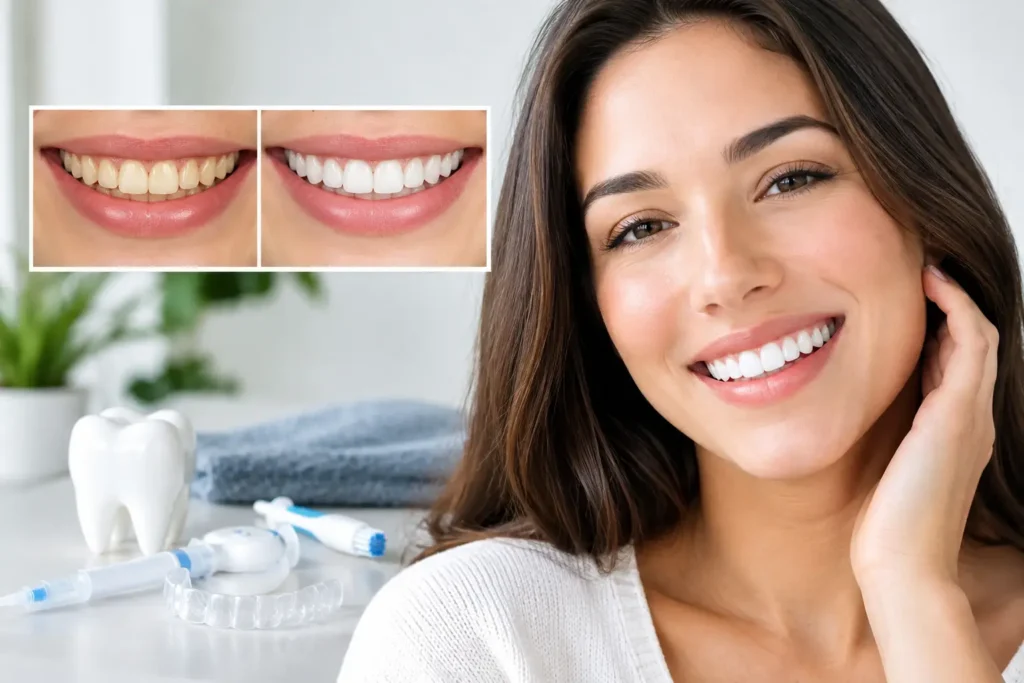
A smile can look dull for many reasons, and the best treatments for stained teeth depend on what caused the discoloration in the first place. Coffee, tea, red wine, tobacco, certain medications, aging, old dental work, and even a past tooth injury can all change the color of teeth. The right answer is not always the strongest whitening product. It is the treatment that improves your smile while protecting your comfort, health, and natural tooth structure.
For families and adults in Gilbert and nearby communities, a thoughtful dental evaluation is the best place to start. A dentist can tell the difference between surface stains that respond well to whitening and deeper discoloration that may need cosmetic or restorative care.
Why Teeth Become Stained
Some stains sit on the outer enamel. These are called extrinsic stains, and they often come from deeply colored foods and drinks, tobacco, or inconsistent brushing. A professional cleaning may make a noticeable difference when buildup and surface staining are the main concerns.
Other color changes begin inside the tooth. These intrinsic stains can be linked to trauma, tooth decay, certain childhood medications, excessive fluoride exposure during tooth development, or the natural thinning of enamel over time. As enamel becomes more translucent, the warmer dentin beneath it becomes easier to see.
There is another consideration that is easy to miss: not every dark tooth is simply stained. A tooth that suddenly turns gray, brown, or noticeably darker than surrounding teeth should be examined. It may have a history of trauma or a nerve problem that needs treatment before any cosmetic step is considered.
Best Treatments for Stained Teeth by Cause
The most successful treatment begins with an accurate diagnosis. A personalized plan may be simple, such as a cleaning and whitening, or it may involve restoring one discolored tooth so it matches the rest of your smile.
Professional dental cleaning
A routine cleaning removes plaque, tartar, and many surface stains. It is often the most practical first step for people whose teeth look yellowed from coffee, tea, or tobacco. Cleaning does not alter the natural internal shade of teeth, but it can restore brightness that has been hidden by buildup.
This option is especially valuable before whitening. Whiteners work more evenly on clean tooth surfaces, and a dental team can identify gum inflammation, decay, or worn enamel that should be addressed first.
Professional teeth whitening
For healthy teeth with general yellowing or surface discoloration, professional whitening is often the most conservative cosmetic option. It uses a dentist-supervised whitening gel to break apart stain molecules within the enamel and dentin. Most patients can achieve a brighter smile without changing the shape or structure of their teeth.
In-office whitening is a good choice when you want faster results under professional supervision. Custom take-home trays provide a more gradual approach and can be convenient for busy schedules. The best method depends on your starting shade, sensitivity history, timeline, and desired result.
Whitening is not permanent. Coffee, tea, red wine, smoking, and normal aging can gradually darken teeth again. Many people maintain their results with occasional touch-ups and everyday habits that limit new staining.
Sensitivity is the most common trade-off. It is usually temporary, but patients with sensitive teeth, exposed roots, enamel wear, or gum recession may need a gentler formula, shorter wear time, or a different cosmetic approach. Whitening should also wait if you have untreated cavities or active gum disease.
Dental bonding for isolated discoloration
Dental bonding uses tooth-colored composite resin to cover a small discolored area or improve the appearance of a single tooth. It can be helpful for a tooth with a stubborn spot, a minor chip, or discoloration that does not respond evenly to whitening.
Bonding is typically conservative because it often requires little to no removal of healthy enamel. It can usually be completed in one visit. The trade-off is that composite resin can stain and wear over time, particularly for patients who drink coffee or tea often, so it may eventually need polishing, repair, or replacement.
Porcelain veneers for deeper or complex stains
Veneers are thin, custom-made porcelain shells bonded to the front of teeth. They can cover severe discoloration, mottled enamel, uneven tooth shape, small gaps, and minor wear at the same time. Porcelain is highly stain resistant and can provide a natural-looking, long-lasting result when designed thoughtfully.
Veneers are not the first choice for every stained smile. They are a larger commitment than whitening or bonding because preparation of the tooth is often needed. They also do not treat decay, gum disease, or a tooth with an unhealthy nerve. Those issues should be resolved before cosmetic work begins.
A careful dentist will discuss whether veneers are appropriate for your goals and make sure the shade, shape, and bite are planned around your entire smile, not just one photograph or trend.
Crowns for damaged or heavily discolored teeth
A dental crown may be the better choice when a tooth is both discolored and structurally compromised. For example, a tooth that has had root canal therapy, a large filling, a crack, or extensive decay may not be strong enough for bonding or a veneer alone. A crown covers the entire visible portion of the tooth, restoring its function as well as its appearance.
Modern crowns can be matched closely to neighboring teeth. With same-day crown technology, many qualifying patients can receive a custom restoration in one visit, reducing the need for a temporary crown and a return appointment. Suitability depends on the tooth, bite, and treatment needs.
Internal bleaching for a dark tooth after root canal therapy
When one tooth becomes darker after trauma or root canal treatment, external whitening may not create an even result. Internal bleaching can sometimes lighten the tooth from the inside. A dentist places whitening material within the tooth after confirming that the root canal and surrounding tissues are healthy.
This treatment is more specialized than standard whitening, but it can be a conservative way to improve a single dark tooth. In some cases, a crown or veneer may still be recommended afterward, especially if the tooth is weak or has extensive existing dental work.
Why Store-Bought Whitening Is Not Always the Best Answer
Over-the-counter strips, trays, pens, and whitening toothpaste can help some people with mild surface stains. They are widely available and may cost less upfront. But they also have limits. Whitening toothpaste mainly removes surface stains and does not significantly change the internal color of teeth. Store-bought bleaching products are less customized and may irritate gums or worsen sensitivity when used too often.
They also cannot change the color of crowns, veneers, fillings, or bonding. If you whiten natural teeth without a plan for visible dental work, older restorations can stand out afterward. A dentist can help you sequence treatment so your final shade looks balanced and intentional.
Keeping a Brighter Smile After Treatment
Your daily habits influence how long results last. Brushing twice daily with fluoride toothpaste, cleaning between teeth, and keeping regular dental visits help reduce stain buildup and support healthy enamel. Drinking water after coffee, tea, or red wine can limit how long pigments remain on tooth surfaces. Using a straw for iced dark beverages may also help reduce contact with front teeth.
Tobacco is one of the most persistent causes of tooth discoloration and can also affect gum health and healing. If quitting feels difficult, mention it during your appointment. Compassionate dental care includes practical support, not judgment.
Most importantly, avoid chasing an unnaturally white shade. A healthy, attractive smile should complement your complexion, facial features, and existing teeth. The goal is not a one-size-fits-all color. It is a smile that looks refreshed, feels comfortable, and gives you confidence every time you share it.