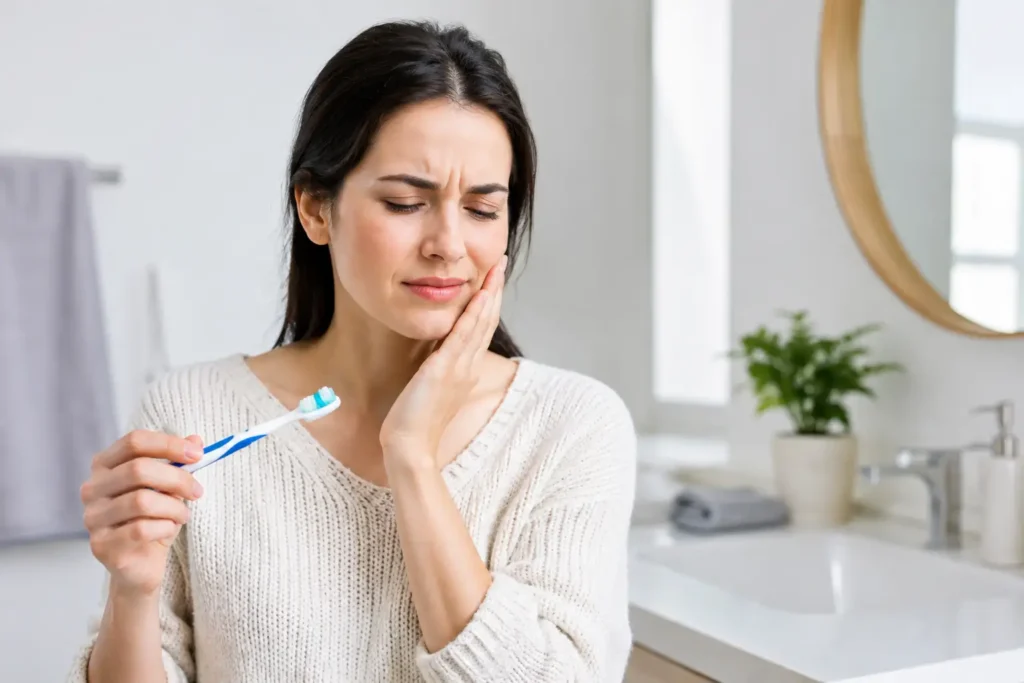
That sharp jolt when you sip iced water or bite into something sweet can make even ordinary meals feel stressful. You can often manage sensitive teeth at home with a few thoughtful changes, but sensitivity is still your mouth’s way of asking for attention. Gentle home care can bring meaningful relief while helping you notice when a dental visit is the safer next step.
Tooth sensitivity happens when the protective enamel wears down, gums recede, or a tooth develops a problem that exposes the inner dentin layer. Dentin contains tiny channels that lead toward the tooth’s nerve, so cold, heat, sweets, acidic foods, or even brushing can trigger a quick, uncomfortable sensation. The right approach depends on what is causing the sensitivity in the first place.
Start With a Sensitivity Toothpaste
A toothpaste made for sensitive teeth is often the best first change to make. These formulas use ingredients that help calm or block the pathways carrying sensations from the tooth surface to the nerve. They are not an instant fix. Most people need to use a sensitivity toothpaste consistently for two to four weeks before judging its full effect.
Brush twice daily with a pea-sized amount, and spit out the excess rather than vigorously rinsing with water right away. This gives the active ingredients more time to stay on the teeth. For one particularly sensitive area, you can also ask your dentist whether applying a small amount of the toothpaste directly to that tooth before bed is appropriate for you.
Not every whitening toothpaste is a good choice during a sensitive period. Many are more abrasive than standard toothpaste, and some contain whitening ingredients that can temporarily increase sensitivity. If your teeth hurt, it is reasonable to pause whitening products until you understand the cause and your dentist confirms it is safe to resume.
Brush Gently, Not Harder
It is easy to assume that aggressive brushing means a cleaner mouth. In reality, pressing too hard can wear away enamel near the gumline and irritate gum tissue, especially when paired with a firm-bristled brush. That combination can make sensitivity worse over time.
Choose a soft-bristled toothbrush or a powered brush with a pressure sensor. Hold it with a relaxed grip and use small, gentle movements along the gumline. If the bristles splay out quickly, that is often a sign that too much pressure is being used.
Brushing technique matters, but so does timing. After soda, citrus, sports drinks, wine, or other acidic foods and beverages, wait about 30 minutes before brushing. Acid temporarily softens enamel, and brushing immediately can increase wear. Rinse with plain water first, then brush later.
Adjust the Foods and Drinks That Trigger Pain
You do not have to remove every cold or flavorful food from your life. The goal is to reduce frequent exposure while the teeth and gums have a chance to settle. If cold drinks hurt, try room-temperature water for a week or two. Using a straw for cold or acidic beverages can also limit contact with sensitive front teeth.
Acid is a common contributor to enamel erosion. Citrus, soda, energy drinks, flavored sparkling water, vinegar-heavy foods, and frequent sipping of sweetened drinks can all lower the mouth’s pH. The issue is often not one occasional drink, but repeated exposure throughout the day.
Try having acidic foods and drinks with meals rather than slowly sipping or snacking on them for hours. Follow with water to help rinse the mouth. Sugar-free gum can encourage saliva flow after meals, which naturally helps neutralize acids. This is not a substitute for brushing and flossing, but it can be a helpful habit when you are away from home.
Protect Teeth From Clenching and Grinding
Some sensitive teeth are not reacting mainly to temperature. They are reacting to pressure. Clenching or grinding, whether during sleep or stressful moments during the day, can create tiny fractures, wear down enamel, and strain the tissues around a tooth. You may also wake up with jaw soreness, headaches, or teeth that feel tender when you bite.
At home, begin by noticing your resting jaw position. Your lips can be together, but your teeth should generally not be touching. When you catch yourself clenching, let your jaw relax and place the tip of your tongue lightly behind your upper front teeth. Reducing daytime clenching may help, particularly during concentrated work or driving.
A store-bought night guard may offer some protection for mild grinding, but it is not the best answer for everyone. A poorly fitting guard can feel uncomfortable, change how your teeth meet, or fail to protect a cracked tooth. If you suspect grinding, a custom guard from your dentist is designed around your bite and tends to provide a more dependable fit.
Support Gum Health Every Day
Receding gums can expose root surfaces that do not have the same hard enamel protection as the visible portion of a tooth. Those exposed areas are especially prone to sensitivity. Gum recession can result from brushing too hard, gum disease, genetics, clenching, or the position of the teeth.
Continue flossing or cleaning between your teeth daily, even if your gums are tender at first. Healthy gums are less likely to bleed, swell, or pull away from teeth. Use a gentle technique and avoid snapping floss forcefully against the gums. If bleeding continues beyond a week or two of careful daily cleaning, schedule an exam instead of assuming it will resolve on its own.
A non-alcohol mouth rinse designed for sensitivity or dry mouth may also be more comfortable than a strong, alcohol-based rinse. Dry mouth can increase cavity risk and make sensitivity more noticeable, so staying hydrated and discussing persistent dryness with your dental team is worthwhile.
When Home Care Is Not Enough
Home strategies can help with mild, generalized sensitivity, but they cannot repair a cavity, seal a crack, treat an infection, or reverse advanced gum disease. A tooth that suddenly becomes sensitive may need more than a different toothpaste.
Schedule a dental exam soon if sensitivity lasts longer than two weeks despite gentle care, is getting worse, occurs in one specific tooth, or hurts when you bite down. These patterns can point to a cavity, a cracked tooth, a failing filling, gum recession, or bite-related stress. Early treatment is usually simpler and more comfortable than waiting until the pain becomes severe.
Contact a dentist promptly if pain lingers after hot or cold foods are gone, wakes you at night, causes facial swelling, comes with fever, or follows an injury. Swelling, severe throbbing pain, and a bad taste in the mouth can signal an infection that needs timely care. If swelling affects breathing or swallowing, seek emergency medical attention.
How a Dentist Can Help Sensitive Teeth
When you visit a dentist for sensitivity, the goal should be to identify the cause rather than simply mask the symptom. A careful exam, discussion of your habits, and X-rays when appropriate can reveal whether the issue is enamel wear, exposed roots, decay, a crack, gum disease, or an older restoration that needs attention.
Treatment may be as conservative as a professional fluoride application, a desensitizing treatment, or a small filling to cover an exposed area. For a cracked or significantly worn tooth, a crown may be recommended to protect it from further damage. If the nerve inside a tooth is inflamed or infected, root canal therapy can relieve pain while preserving the natural tooth. The right recommendation should always reflect what your tooth needs now, not a one-size-fits-all plan.
At A+ Family Dental Solutions, patients are encouraged to ask questions, understand their options, and make decisions with clear information and respectful guidance. Sensitivity can feel minor until it interrupts daily life, but you deserve to eat, drink, and smile comfortably.
A few gentle changes at home may be enough to calm occasional sensitivity. If your teeth keep sending sharper or more persistent signals, listening early can protect both your comfort and your long-term oral health.