The first meal after oral surgery can feel strangely stressful. You are hungry, your mouth is sore, and suddenly even everyday foods seem questionable. Choosing the best foods after oral surgery can make a real difference in how comfortable you feel during recovery – and how well your mouth heals.
After a tooth extraction, dental implant placement, gum procedure, or other oral surgery, your body needs nourishment without extra irritation. The goal is simple: eat foods that are soft, easy to chew, gentle on the surgical area, and filling enough to support healing. What works best can vary a little based on the procedure and your dentist’s instructions, but a few clear principles apply to most patients.
Why food choice matters after oral surgery
Your mouth is trying to repair tissue, control inflammation, and protect the surgical site from disruption. Hard, crunchy, spicy, or very hot foods can interfere with that process. In some cases, they can even increase pain, trigger bleeding, or disturb a blood clot that needs to stay in place.
That is why the best approach is not just “eat soft foods.” It is eating soft foods that also provide hydration, protein, vitamins, and enough calories to help you recover. If you only eat a few spoonfuls of pudding all day, your mouth may feel better in the moment, but your body is not getting much support.
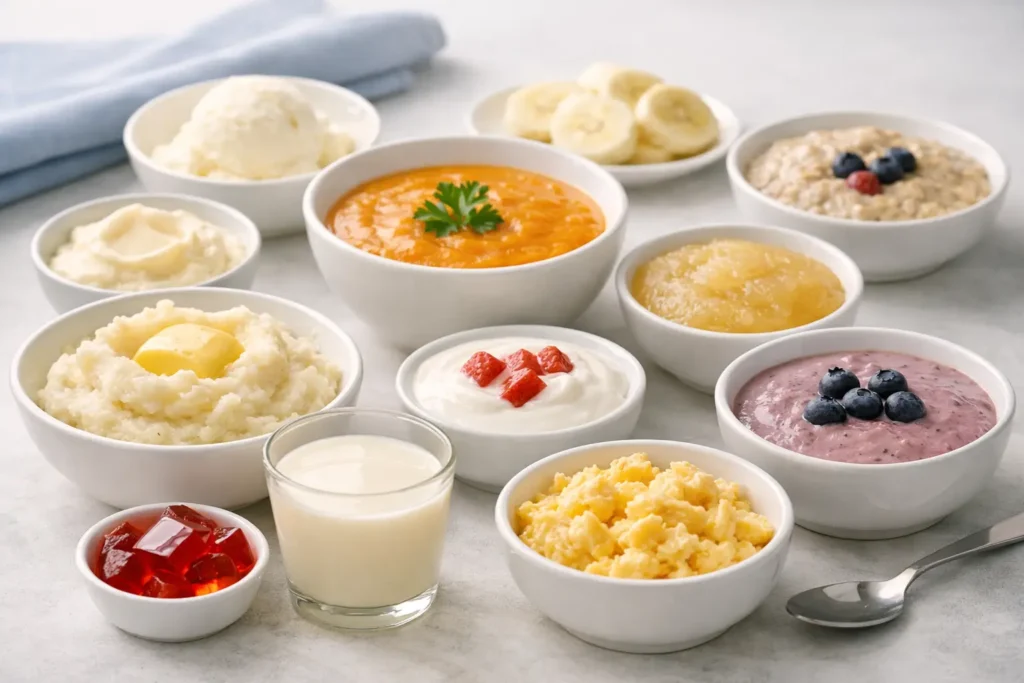
Best foods after oral surgery
Smooth yogurt
Yogurt is one of the easiest early recovery foods because it is cool, soft, and requires no chewing. It can also provide protein and probiotics, which many patients appreciate if they are taking antibiotics. Plain or low-sugar varieties are usually gentler than very sweet options.
If the surgical area is especially sensitive, choose yogurt without granola, fruit chunks, or seeds. Those add-ins can be irritating at a time when smooth texture matters most.
Applesauce
Applesauce is a classic choice for a reason. It goes down easily, does not require chewing, and can be soothing when served cool. Unsweetened applesauce is usually the better pick if you want less sugar and a simpler ingredient list.
This is a good example of a recovery food that is helpful but not enough on its own. It gives you carbohydrates, but not much protein, so it is best paired with other soft foods throughout the day.
Mashed potatoes
Mashed potatoes are comforting, filling, and easy to adjust based on your comfort level. Make them smooth and soft, and avoid serving them steaming hot. A little butter, broth, or gravy can keep them moist and easier to eat.
They are a smart option once you are ready for something more substantial. Just make sure there are no crispy toppings, bacon bits, or sharp pieces mixed in.
Scrambled eggs
Soft scrambled eggs are one of the better recovery foods because they combine gentle texture with solid nutrition. They are rich in protein, easy to chew, and usually well tolerated after the first day or two.
Keep them soft rather than browned or overcooked. If chewing is still uncomfortable, smaller bites and a slower pace can help.
Cottage cheese or ricotta
These soft cheeses are often overlooked, but they are excellent after oral surgery. They offer protein, a mild flavor, and a texture that is easy for many patients to manage. Ricotta can be especially smooth and pleasant if you want something a little different from yogurt.
If you are very early in recovery and even small curds feel irritating, wait a day or choose a smoother option first.
Blended soups
Soup can be a great recovery meal if you are careful about temperature and texture. Pureed soups such as butternut squash, tomato, or creamy vegetable soup can provide more nutrition than snack-style foods while still being easy to eat.
The key detail is temperature. Hot soup can increase discomfort and may not be a good idea right after surgery, so let it cool to warm or lukewarm before eating.
Oatmeal or cream of wheat
Soft cooked cereals work well once you are ready for a little more substance. Oatmeal can be filling and comforting, while cream of wheat is especially smooth. Both can help you feel like you are eating a normal breakfast again.
If your mouth is still quite tender, make the texture thinner and avoid nuts, seeds, or dried fruit. Those extras can wait until healing is further along.
Smoothies eaten with a spoon
A smoothie can be one of the best foods after oral surgery when it is made carefully. Blending yogurt, banana, protein powder, nut butter, or soft fruit can create a meal that is both gentle and nourishing.
One important caution: do not drink smoothies through a straw unless your dentist specifically says it is safe. Suction can interfere with healing, especially after extractions. It is much better to enjoy smoothies with a spoon.
Protein shakes without a straw
If your appetite is low, a protein shake can help you keep up with nutrition during the first couple of days. This can be especially useful for busy adults who do not feel like preparing multiple soft meals while recovering.
Choose a smooth shake without crunchy mix-ins, and sip it from a cup. If dairy does not sit well with you, a non-dairy option may be easier.
Avocado
Avocado is soft, nutrient-dense, and easy to mash. It provides healthy fats and a creamy texture that many patients tolerate well. You can eat it plain, lightly mashed, or blended into other soft foods.
It is not a complete meal by itself, but it is a very good addition when you want something satisfying that does not require much effort.
Pudding and gelatin
These are helpful comfort foods, especially during the first day when your mouth may feel too sore for much else. They are cool, soft, and easy to eat in small amounts.
The trade-off is that they are not very nutrient-rich, so think of them as temporary support foods rather than the foundation of your recovery diet.
Soft pasta and mac and cheese
As healing progresses, very soft pasta can be a nice bridge back to regular meals. Mac and cheese, small noodles, or well-cooked pasta with a smooth sauce can work well if chewing feels manageable.
This is usually better a little later rather than immediately after surgery. If the pasta requires much chewing or the sauce is spicy, wait longer.
What to avoid while healing
Knowing what not to eat matters just as much. Crunchy foods like chips, crackers, popcorn, and toast can scrape or lodge near the surgical site. Small particles from nuts, seeds, and rice can also get trapped where you do not want them.
Very spicy or acidic foods may sting. Extremely hot foods and drinks can be irritating, especially in the first day or two. Tough meats, chewy bread, and raw vegetables usually ask too much of a sore mouth.
Straws are another common issue after extractions. The suction can dislodge the blood clot and lead to a painful dry socket. If your dentist gives you instructions that differ based on your procedure, follow those first.
How to eat more comfortably after oral surgery
Smaller bites and slower meals usually help. Chew on the opposite side of your mouth if your dentist says it is appropriate, and keep food away from the surgical area as much as possible. Cool or lukewarm foods often feel better than hot foods in the early stage.
It also helps to think ahead. If you stock your kitchen with a few soft, easy options before surgery, you are much less likely to reach for something that sounds good but causes irritation later.
Hydration matters too. Drinking enough water supports healing and helps you feel better overall. Just skip carbonated drinks and anything that feels irritating if your mouth is still very sensitive.
When your recovery diet should change
Most patients do not need a strict soft-food diet for very long, but the timeline depends on the procedure and your own healing. A simple extraction may allow a faster return to normal foods than multiple extractions, implant surgery, or more complex oral surgery.
That is where personalized guidance matters. At a boutique family practice like A+ Family Dental Solutions, postoperative instructions are not one-size-fits-all because your comfort, treatment, and healing pattern are your own. If something hurts, causes bleeding, or does not feel right, it is worth checking before pushing ahead.
Best foods after oral surgery for real life
The most practical plan is usually a mix of comfort and nutrition. You might start with yogurt, applesauce, pudding, and protein shakes, then move into scrambled eggs, mashed potatoes, soup, oatmeal, avocado, and soft pasta as your mouth feels better.
If you are caring for kids, heading back to work, or juggling a full schedule, simplicity counts. The best recovery foods are the ones you can actually eat, tolerate, and repeat for a few days without making healing harder.
Give yourself permission to keep meals plain for a little while. Your mouth does not need impressive right now – it needs gentle, steady support so you can heal comfortably and get back to normal with confidence.