A little blood in the sink after brushing can be easy to dismiss, especially when life is busy. But bleeding gums are not something to simply live with. Gum disease is common, often painless in its early stages, and highly treatable when it is identified before it has a chance to damage the support system around your teeth.
Your gums do much more than frame your smile. Along with the jawbone and connective tissues beneath them, they hold your teeth securely in place. At A+ Family Dental Solutions, we believe patients deserve a clear explanation of what is happening, why it matters, and which treatment options make sense for their individual needs.
What Gum Disease Is and How It Develops
Gum disease, also called periodontal disease, is an infection and inflammation of the tissues surrounding the teeth. It begins when plaque, a sticky film of bacteria, collects along and beneath the gumline. Thorough brushing, flossing, and professional cleanings remove plaque before it causes trouble. When it remains in place, it can harden into tartar, which cannot be removed with a toothbrush at home.
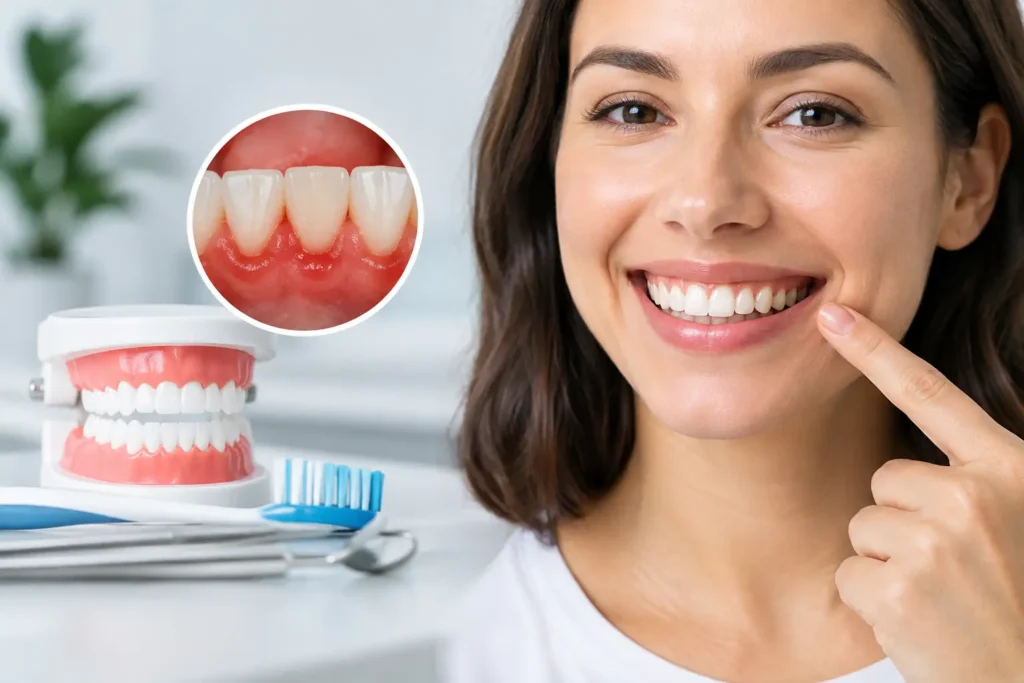
The earliest stage is gingivitis. Gums may look red or puffy, bleed during brushing or flossing, or feel tender. The encouraging news is that gingivitis can usually be reversed with professional care and consistent home hygiene.
Without treatment, inflammation can progress to periodontitis. The gums can begin to pull away from the teeth, creating small pockets where bacteria collect. Over time, the infection may damage bone and connective tissue. Teeth can become loose, shift position, or eventually be lost. Periodontitis cannot be fully reversed, but it can often be managed successfully to protect the teeth and bone you still have.
Signs of Gum Disease You Should Not Ignore
Pain is not a reliable indicator. Many people with developing periodontal disease feel little or no discomfort, which is one reason regular exams are so valuable. A dentist can measure the gum pockets around each tooth and spot changes that are difficult to see on your own.
Call for an evaluation if you notice bleeding when you brush or floss, persistent bad breath, swollen or tender gums, gum recession, new spaces between teeth, or a change in the way your bite feels. A loose tooth or drainage near the gumline deserves prompt attention.
Bleeding can occasionally come from brushing too aggressively or starting a flossing routine after a long break. Still, healthy gums generally do not bleed regularly. Rather than stopping flossing because you see blood, use a gentle technique and arrange a dental visit to find the cause.
Who Has a Higher Risk?
Plaque buildup is the direct cause, but several factors can raise the risk or make gum disease harder to control. Tobacco use is one of the most significant. Diabetes, certain medications that cause dry mouth, hormonal changes, genetics, stress, and a history of inconsistent dental care can also play a role.
In Arizona, dry mouth can be particularly uncomfortable when hydration is not a priority. Saliva helps wash away food particles and buffer acids, so a dry mouth may allow bacteria to build up more easily. Drinking water is helpful, but it is not a substitute for brushing, cleaning between the teeth, and professional care.
Why Early Treatment Protects More Than Your Gums
The most immediate concern with periodontal disease is the loss of the structures that support your teeth. Treating it early is often simpler, more comfortable, and less costly than waiting until teeth are loose or bone loss is advanced.
Gum inflammation can also affect daily confidence. Bad breath, visible recession, tenderness, and a smile that no longer feels secure can make people reluctant to speak, laugh, or eat their favorite foods. For patients considering cosmetic dentistry, healthy gums are an essential foundation. Whitening, veneers, or other smile improvements look and function best when the supporting tissues are stable.
Researchers have also found associations between periodontal disease and certain overall health conditions, including diabetes and cardiovascular concerns. These connections are complex and do not mean gum disease directly causes every health problem. What is clear is that oral health is part of whole-body health, and controlling chronic inflammation in the mouth is a worthwhile part of caring for yourself.
How Gum Disease Treatment Works
There is no one-size-fits-all treatment plan. The right approach depends on the depth of periodontal pockets, the amount of tartar buildup, evidence of bone loss, your health history, and how your gums respond over time. A careful exam may include gum measurements and dental X-rays so your dentist can recommend treatment based on what you need, not on a standard package.
For mild gingivitis, a thorough professional cleaning and better home care may be enough. Your dental team can show you how to angle a soft toothbrush at the gumline, clean between teeth effectively, and choose tools that work with your spacing, restorations, and comfort level.
When tartar and bacteria have collected below the gumline, scaling and root planing may be recommended. This nonsurgical deep-cleaning treatment removes deposits from the root surfaces and smooths those surfaces so the gums can heal more effectively. Local anesthetic can be used to keep the visit comfortable. Depending on the extent of treatment, care may be completed in sections or during one longer appointment.
After treatment, the gums need time to respond. Some patients notice less bleeding and tenderness fairly quickly, while deeper pockets may require close monitoring. In more advanced cases, a referral to a periodontal specialist or additional treatment may be appropriate. Honest recommendations mean recognizing when a more specialized approach is in a patient’s best interest.
Why Periodontal Maintenance Matters
Once periodontitis has developed, many patients benefit from periodontal maintenance visits more often than the usual six-month cleaning schedule. Often, these visits are recommended every three or four months, though the timing depends on your condition and progress.
This is not a sales tactic or a punishment for imperfect brushing. Harmful bacteria can repopulate beneath the gums, and shorter intervals give your dental team a better chance to remove buildup before inflammation becomes active again. If your gums remain stable over time, your schedule may change. Care should always be tailored to your clinical needs.
Daily Habits That Help Keep Gums Healthy
Professional treatment works best when it is supported by practical routines at home. Brush twice daily for two minutes with a soft-bristled toothbrush and fluoride toothpaste. Clean between your teeth once a day with floss, interdental brushes, or another option recommended for your mouth. The best tool is the one you can use gently and consistently.
Do not use smoking or vaping as a stress-relief workaround if you are concerned about your gums. Tobacco can mask bleeding while making periodontal disease more severe and healing more difficult. If you have diabetes, working with your medical provider to keep blood sugar controlled can support both gum health and treatment outcomes.
It also helps to pay attention to changes rather than waiting for a scheduled cleaning. If bleeding returns, breath changes persist, or a tooth starts to feel different, an earlier visit can prevent a small concern from becoming a larger one.
A Calmer Way to Address Gum Concerns
Dental anxiety often keeps people from seeking care until a problem becomes painful. If it has been a while since your last visit, you are not alone, and you do not need to feel embarrassed. The first step is simply understanding your current condition. A respectful dental team will explain the findings, answer your questions, and help you consider timing, comfort, and financial options without pressure.
Healthy gums are built through steady care, not perfection. If you have noticed bleeding, recession, bad breath, or tenderness, scheduling an exam now can give you clarity and a practical path forward. Your smile deserves a dental home that treats both the condition and the person behind it.